Emergency Dentist Beverly Hills: What to Do After a Tooth Is Knocked Out
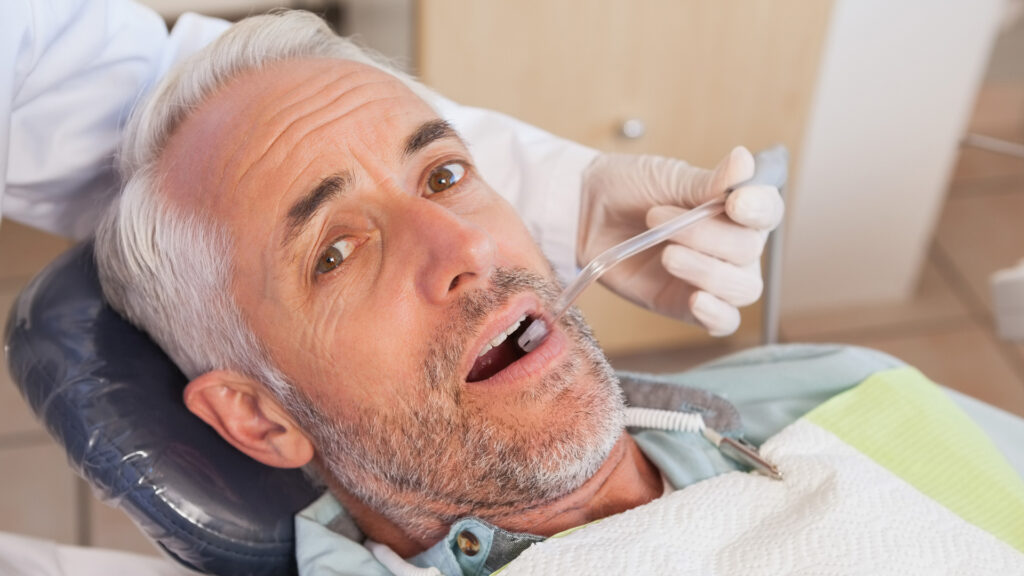


A knocked out tooth creates the kind of panic that makes time feel distorted. One minute everything is normal, the next there is blood, pain, and a tooth in someone’s hand or on the ground. In those first few minutes, what you do matters. It can affect whether the tooth survives, how complicated treatment becomes, and what the long term result looks like.
When patients call an Emergency Dentist Beverly Hills office after a dental injury, the first priority is simple: protect the tooth, protect the socket, and get the patient seen fast. A fully knocked out permanent tooth, also called an avulsed tooth, has the best chance of being saved when it is handled correctly and returned to the socket quickly. There is no room for guesswork here. Small mistakes, especially cleaning the tooth the wrong way or waiting too long, can reduce the odds of a successful reimplantation.
The good news is that many knocked out teeth can be saved. The less comforting truth is that success depends heavily on the first 15 to 60 minutes.
The first few minutes matter more than most people realize
A tooth is not just a hard white structure. Its root surface is covered by delicate living cells that help it reattach to the bone and supporting tissues after it is put back in place. Those cells are easily damaged by drying out, scrubbing, or being stored improperly.
That is why a knocked out tooth is different from a chipped tooth or a loose filling. A chipped tooth is urgent, but an avulsed tooth is often a true dental emergency. In practical terms, that means you should stop what you are doing, manage the injury, and contact an emergency dental office immediately.
If the tooth is a permanent adult tooth and it has been out of the mouth for only a short time, a dentist may be able to reinsert it and stabilize it with a splint. If conditions are favorable, the tooth can remain functional for years. Not every case turns out perfectly, but acting quickly gives the best chance.
What to do immediately after a tooth is knocked out
The order of actions is straightforward, but execution matters. A calm adult can often make the difference between saving and losing the tooth.
- Pick up the tooth by the crown only, which is the chewing surface or visible white part. Do not touch the root.
- If it is dirty, rinse it gently with milk or saline for a few seconds. If those are not available, use clean water briefly. Do not scrub it, scrape it, or wrap it in tissue.
- If possible, place the tooth back into the socket right away and have the person bite gently on clean gauze or cloth to keep it in place.
- If reinsertion is not possible, keep the tooth moist in cold milk, saline, or inside the person’s cheek if they are old enough not to swallow it.
- Call an Emergency Dentist Beverly Hills provider or go to urgent dental care immediately.
That short sequence is the core response. Most of the avoidable damage happens when people panic and improvise. They scrub the root because it looks dirty. They place the tooth in a napkin. They leave it dry in a cup holder during the drive. They wait to “see if it hurts later.” Those decisions can cost the tooth.
The one distinction you must make, permanent tooth or baby tooth
This is where judgment matters. If a young child loses a baby tooth from trauma, it usually should not be replanted. Reimplanting a primary tooth can damage the developing permanent tooth underneath. Parents often assume Emergency Dentist Beverly Hills that replacing any lost tooth is always the right move. With baby teeth, that is not usually the case.
With permanent teeth, especially in older children, teens, and adults, the opposite is often true. Fast action can save the tooth.
If you are unsure whether the tooth is primary or permanent, age gives some clues, but not certainty. Most children begin losing baby front teeth around age 6, and permanent front teeth are often in place by age 7 or 8. Still, dental development varies. If there is doubt, call an emergency dental office and describe the situation. A clinician can guide you while you are on the way.
Can you really put the tooth back in yourself?
Yes, sometimes that is exactly the right move.
If the person is alert, cooperative, and bleeding is controlled well enough to see the socket, gently placing the tooth back in the socket can be the best first aid step for a permanent tooth. The key is to orient it correctly. The smoother, slightly curved side usually faces the lip, and the tooth should slide into the socket with light pressure. It should never be forced.
Patients are often surprised by this advice, but it is standard emergency guidance for avulsed permanent teeth. The reason is simple: keeping the tooth root in contact with the body and preventing it from drying out improves the odds of survival. A tooth stored in milk on the way to the office is still better than a dry tooth, but immediate reinsertion can be even better when done correctly.
There are cases where you should not attempt this. If the patient is very young, heavily distressed, unconscious, at risk of swallowing the tooth, or if there are signs of a jaw fracture, focus on safety and get professional help. Trauma can involve more than the tooth alone.
What if the tooth cannot go back into the socket?
That happens often. The socket may be filled with blood, the patient may be too upset, or the tooth may not seem to fit. In that case, storage medium becomes the next priority.
Cold milk is commonly recommended because it helps preserve root surface cells better than dry storage and is usually available. Sterile saline is also good. A tooth preservation kit is ideal if one happens to be on hand, though most people do not have one nearby when accidents happen. Inside the cheek can work for a responsible older teen or adult, but this is not suitable for small children because of the choking risk.
Water is not the best storage medium, but a brief rinse is acceptable if the tooth is visibly dirty. Prolonged soaking in plain water is less favorable because it can harm the cells needed for reattachment.
A tooth should never be stored in a paper towel, tissue, or pocket. Dry time is the enemy.
Timing, what the first hour means
Dentists often talk about a “golden hour” for knocked out permanent teeth. That phrase is useful, though real life is not always that neat. Teeth replanted within 30 minutes generally have a better outlook than those replanted later. Once dry time extends beyond about 60 minutes, the prognosis becomes more guarded because many of the critical periodontal ligament cells on the root surface may no longer be viable.
That does not mean a tooth is hopeless after an hour. Dentists may still reimplant it, especially for functional and esthetic reasons. It simply means expectations change. The tooth may require root canal treatment, may become ankylosed over time, or may resorb. Even so, preserving the natural tooth temporarily can sometimes help maintain bone and appearance while longer term options are considered.
In other words, late is not good, but late is still better than never showing up.
What an emergency dentist will do once you arrive
Patients often imagine there is one universal treatment for a knocked out tooth. In practice, care depends on age, the type of tooth, the amount of time it has been out, how it was stored, and whether there are associated injuries.
A typical emergency visit includes examination, dental X rays, and evaluation of the socket, neighboring teeth, lips, and jaw. If the tooth has not yet been reinserted and the case is suitable, the dentist will gently place it back into the socket. The tooth is then usually stabilized with a flexible splint attached to nearby teeth for a short period, often around two weeks, though more complex injuries can require longer stabilization.
The dentist will also assess contamination. Falls on pavement, sports injuries, and accidents in public places can introduce debris and bacteria into the area. Soft tissue lacerations may need attention. Tetanus status may become relevant in some trauma cases, which is why medical follow up is occasionally part of dental trauma care.
For mature permanent teeth, root canal treatment is often needed after reimplantation, especially if the root is fully developed. For younger teeth with open root tips, there may be a chance of revascularization, so management can differ. This is one reason trauma care is not one size fits all. Age matters, anatomy matters, and timing matters.
Pain, bleeding, and swelling, what is normal and what is not
A knocked out tooth almost always causes bleeding, and some bleeding from the socket is expected. Gentle pressure with clean gauze usually helps. Mild to moderate swelling is also common in the hours that follow, especially if the injury involved the lip or gum tissues.
Pain varies. Some patients report sharp pain immediately, while others feel more shock than discomfort at first. Over the next several hours, soreness and throbbing often set in. Over the counter pain relief may be appropriate for many people, but instructions should take into account age, medical history, and any other injuries.
There are signs that should raise concern beyond the tooth itself. Difficulty opening the mouth, altered bite, numbness, heavy uncontrolled bleeding, dizziness, vomiting after facial trauma, or suspicion of a broken jaw are reasons to seek broader emergency evaluation. Dental injuries sometimes arrive as part of a larger head and face injury, and that bigger picture should never be ignored.
Sports injuries, falls, and everyday accidents
Most people associate knocked out teeth with contact sports, and that is certainly a common cause. Basketball elbows, baseballs, skateboarding falls, and cycling collisions are classic scenarios. Yet many avulsed teeth come from far less dramatic moments. A slippery bathroom floor, a trip on a curb, rough play with a pet, or a child running indoors with too much speed can be enough.
Adults are not exempt. I have seen dental trauma happen during pickleball, at backyard gatherings, on hotel stairs, and from a simple fall after missing a step in poor lighting. The pattern is always the same. People do not expect it, so they are unprepared.
That is one reason public understanding matters. Mouthguards are excellent prevention for sports, but they do nothing for the everyday accidents that happen in kitchens, driveways, and sidewalks. Knowledge fills that gap.
Common mistakes that make a bad situation worse
A surprising number of lost teeth are damaged after they leave the mouth, not during the impact itself. That is frustrating because it is preventable. Rubbing the root clean with a cloth is one of the biggest errors. It feels logical, but it strips off the tissue the dentist is trying to preserve. Another common mistake is letting the tooth dry out while making phone calls or driving around.
People also sometimes place the tooth in ice water, mouthwash, or hydrogen peroxide. Those are poor choices. The goal is not to disinfect the tooth aggressively. The goal is to preserve living tissue while getting to the dentist.
One of the harder judgment calls comes when the tooth has visible dirt on it. Parents especially want to clean it thoroughly before putting it back in a child’s mouth. Resist that urge. A brief gentle rinse is enough. Think preservation, not sterilization.
What happens after the emergency visit
The first appointment is rarely the end of the story. A knocked out tooth requires follow up, sometimes over months and even years. The dentist will monitor healing of the supporting tissues, check for signs of resorption, and assess whether the pulp has survived or whether root canal therapy is needed or already completed.
Diet usually needs to stay soft for a period while the tooth is splinted. Biting into apples, crusty bread, or sandwiches with a firm front bite is generally off the table at first. Good oral hygiene remains important, but cleaning must be gentle around the injured site. The dentist may recommend an antibacterial rinse in some cases.
Patients often ask the same practical question: will the tooth be normal again? Sometimes yes, at least in appearance and function. Sometimes not entirely. A replanted tooth can do very well for years, but trauma changes the biology of the tooth and surrounding bone. Even with excellent care, complications can emerge later. The realistic goal is to preserve the tooth and support structures as successfully as possible, while keeping future options open if problems arise.
If the tooth cannot be saved
Not every knocked out tooth is salvageable. The root may be fractured, the dry time may be too long, or the surrounding bone and tissues may be too damaged. When that happens, the conversation shifts from emergency rescue to thoughtful replacement planning.
For adults, options may include a dental implant, a bridge, or in limited situations a removable provisional tooth while healing occurs. Timing matters here as well. In some cases the site benefits from bone preservation procedures soon after the injury. In others, treatment is staged over time to allow the tissues to heal properly.
This is where choosing an experienced emergency dentist helps. Good care is not just about trying to save the tooth in the moment. It is also about knowing when a heroic effort is unlikely to work, protecting the bone and soft tissue, and planning for the best long term esthetic and functional outcome.
In a place like Beverly Hills, where patients often care deeply about appearance as well as health, that balance becomes even more important. The front teeth are central to the smile, speech, and confidence. Trauma care has to address all three.
How parents should handle this with children
Children react to dental trauma in wildly different ways. Some Emergency Dentist Beverly Hills dentalgroupbh.com cry and cling. Some go silent. Some focus less on pain than on the blood, which can look dramatic even when the injury is limited. A parent’s tone sets the emotional temperature. Calm, clear instructions help far more than frantic reassurance.
If a child knocks out a tooth, identify whether it is likely a baby tooth or permanent tooth, control bleeding, and call for urgent guidance. Do not attempt to reinsert a primary tooth. If it appears to be a permanent tooth, follow the same preservation steps used for adults. Children who play sports should ideally wear a well fitted mouthguard, but even that preventive habit does not replace knowing what to do when an accident still happens.
There is also an emotional side to pediatric trauma that adults sometimes underestimate. A visible front tooth injury can upset children long after the pain fades. Prompt, competent treatment can reduce not just dental complications, but also the stress that comes from seeing their smile suddenly changed.
Why same day care matters
When someone searches for an Emergency Dentist Beverly Hills after a tooth is knocked out, they are usually not comparison shopping in the ordinary sense. They are trying to solve an urgent problem without losing precious time. Same day access matters because every delay changes the biology of the situation.
Speed alone is not enough, though. The office needs to know how to triage trauma, give practical phone instructions, evaluate adjacent injuries, and arrange follow up. A polished office and convenient location are nice. What counts most in that moment is whether the clinical team can move decisively and appropriately.
This is one of those situations where experience shows. Teams that handle dental trauma regularly tend to ask the right questions immediately. How long has the tooth been out? Was it stored dry or in milk? Is it a permanent tooth? Is there heavy bleeding? Is there any chance of a jaw injury? Those details shape treatment before the patient even arrives.
A short checklist worth remembering
If you remember nothing else, remember this:
- Find the tooth fast.
- Hold it by the crown, never the root.
- Reinsert a permanent tooth if you safely can, or keep it in milk.
- Do not scrub, scrape, or let it dry out.
- Get to an emergency dentist immediately.
That sequence is simple enough to recall under stress, and it captures the essentials.
The real goal after dental trauma
Saving the tooth is the immediate goal, but the deeper goal is preserving function, bone, comfort, and appearance over time. A knocked out tooth is not just an isolated object to be popped back in place. It is part of a living system that has been injured. Good emergency care respects that complexity.
Handled well, many patients recover better than they expect in those first frightening moments. Handled poorly, even a treatable injury can turn into a much bigger problem. If a permanent tooth is knocked out, act quickly, keep the tooth moist, and seek professional help without delay. Those first few decisions carry more weight than most people realize, and they can make all the difference.
Dental Group of Beverly Hills
8641 Wilshire Blvd #125, Beverly Hills, CA 90211, United States
Phone: +1 (310) 929-6335
FAQ About Emergency Dentist Beverly Hills
What is considered to be a dental emergency?
Severe tooth pain, a knocked-out permanent tooth, a significant tooth fracture, or suspected dental infection needs prompt professional assessment. Contact a dentist to describe the problem and arrange appropriate care. Trouble breathing or swallowing, uncontrolled bleeding, or major facial injury requires immediate emergency medical attention.
How to tell if tooth pain is serious?
Pain that is severe, persistent, or accompanied by fever, facial swelling, or a bad taste should be assessed promptly by a dentist. The cause cannot be confirmed from symptoms alone. If swelling affects breathing or swallowing, call 911 or go to an emergency department.
What do I do if I have a dental emergency and no dentist?
Call a nearby dental practice that accepts urgent patients and explain your symptoms, when they began, and any recent injury. Ask about the earliest available assessment and what information to bring. For life-threatening symptoms, seek emergency medical care immediately instead of waiting for a dental appointment.