Root Canal Beverly Hills for Persistent Sensitivity and Pain

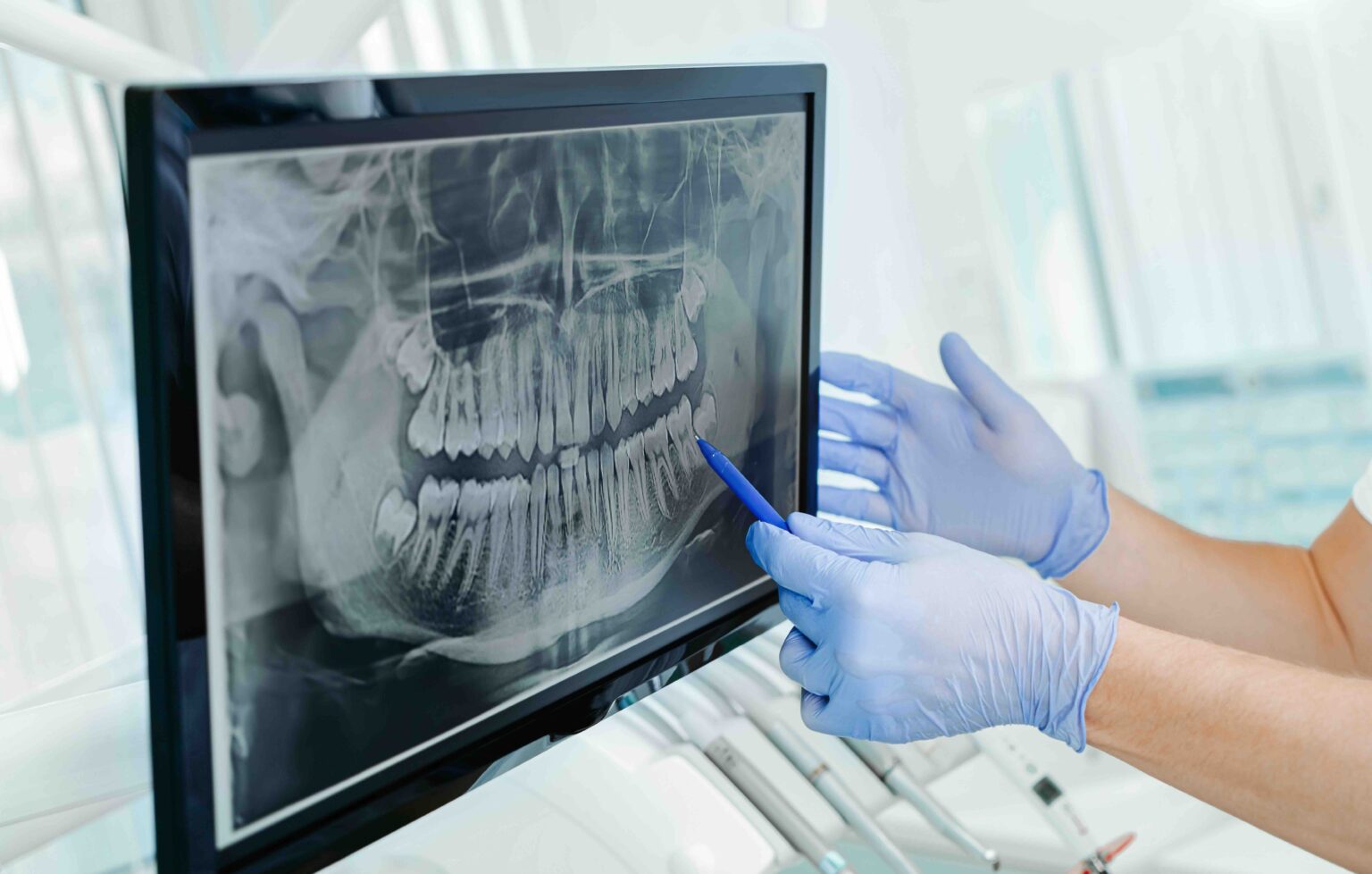
Persistent tooth sensitivity has a way of changing daily life in small but relentless ways. A sip of iced water makes you flinch. Coffee becomes a test instead of a comfort. Biting into something ordinary, a sandwich crust, a strawberry, a piece of grilled chicken, suddenly feels risky. Many people live with that pattern for weeks or months, hoping it will settle down on its own. Sometimes it does. Sometimes it is a sign that the nerve inside the tooth is inflamed or infected, and the problem has moved beyond a simple filling.
That is where root canal treatment enters the picture, not as a dramatic last resort, but as a practical way to save a tooth that would otherwise continue to hurt or eventually need extraction. In a place where appearance, comfort, and schedule all matter, patients looking into Root Canal Beverly Hills care often want clear answers. They want to know whether the pain means they truly need treatment, whether the procedure will hurt, how long recovery takes, and whether saving the tooth is worth the effort.
Those are reasonable questions. Root canal treatment has carried a bad reputation for decades, much of it based on old stories rather than modern care. The reality in a well-run endodontic or general dental office is far more straightforward. When the diagnosis is accurate and the treatment is performed carefully, a root canal is often the fastest path back to normal chewing, normal temperature tolerance, and normal sleep.
When sensitivity stops being “just sensitivity”
A tooth can react to cold, sweets, pressure, or air for many reasons. Early decay, worn enamel, gum recession, clenching, a cracked cusp, and recent whitening can all produce sensitivity. That is why not every sharp twinge points to a root canal. The pattern matters more than the word “sensitive.”
Dentists pay close attention to duration and intensity. A brief zing from cold that disappears in a second or two may suggest exposed dentin or a minor irritation. A deep ache that lingers thirty seconds, a minute, or longer after the trigger is gone tells a different story. So does pain that wakes you up at night, pressure that feels like the tooth is elevated, or heat sensitivity that builds instead of fades.
A common scenario in practice goes like this: someone has a large filling from years ago, or a tooth that was cracked but never painful enough to address. Then one week the tooth starts reacting to iced drinks. A few days later, chewing on that side becomes uncomfortable. By the time they call the office, the pain may be intermittent but unmistakable. If the pulp, the soft tissue inside the tooth containing nerves and blood supply, is inflamed past the point of recovery, removing that tissue and sealing the canals may be the right way to preserve the tooth.
It is also important to understand that pain is not always proportional to damage. Some badly infected teeth barely hurt at all because the nerve has already lost vitality. Instead, the first clue may be swelling, a pimple on the gum, a bad taste in the mouth, or tenderness when biting. That mismatch is one reason self-diagnosis often goes wrong.
What is actually happening inside the tooth
A healthy tooth is not a solid block. Beneath the enamel Root Canal Beverly Hills and dentin sits a central chamber that contains pulp tissue. That tissue helps the tooth develop early on, but once the tooth is mature, it can function well without living pulp as long as the surrounding structure and supporting bone stay healthy.
If bacteria reach the pulp through deep decay, a leaking filling, trauma, or a crack, inflammation builds in a small enclosed space. Soft tissues elsewhere in the body can swell outward. Pulp tissue cannot do that easily because it is trapped inside hard walls. Pressure rises, the nerve becomes irritated, and pain often follows. If infection progresses, it can move out through the root tip into the surrounding bone.
Root canal treatment removes the diseased pulp, disinfects the internal canal system as thoroughly as possible, and fills that space with a biocompatible material. The tooth is then restored, often with a crown if the remaining structure is weakened. The aim is simple: eliminate infection, preserve the natural tooth, and return it to function.
Signs that deserve prompt evaluation
Not every toothache needs emergency treatment, but certain symptoms should move up the priority list. The longer severe pulp inflammation or infection sits untreated, the more likely it becomes that pain will intensify or surrounding tissues will become involved.
Here are five signs that often warrant a timely dental evaluation:
- Sensitivity to hot or cold that lingers after the stimulus is gone
- Pain when chewing or when releasing biting pressure
- Spontaneous throbbing pain, especially at night
- Swelling in the gum or face, or a pimple-like bump near the tooth
- Darkening of a tooth after injury or unexplained nerve damage
Patients are sometimes surprised to learn that a history of trauma matters even if the injury happened years earlier. A front tooth bumped during sports, a fall, or even a car accident can slowly lose vitality over time. The pain may arrive much later, or not at all, while X-rays reveal infection at the root tip.
Why a proper diagnosis matters more than the procedure itself
The procedure gets most of the attention, but diagnosis is the real pivot point. A skilled dentist or endodontist does more than glance at an X-ray and point to a root canal. They combine symptoms, clinical testing, radiographs, and sometimes three-dimensional imaging to determine whether the pulp is reversibly irritated, irreversibly inflamed, necrotic, or whether the source of pain lies elsewhere.
A cracked tooth is a good example. Cracks can mimic pulp pain, and pulp disease can coexist with a crack. If the fracture extends too far below the gum line or into the root, a root canal alone will not solve the problem. Likewise, sinus pressure can create upper tooth discomfort, and clenching can cause widespread sensitivity without infection. Treating the wrong tooth, or treating a tooth that was not the true source, is the kind of mistake careful evaluation is designed to prevent.
This is one reason patients searching for Root Canal Beverly Hills services often benefit from seeing a practice that handles diagnosis with patience rather than urgency. Speed is helpful when someone is uncomfortable, but accuracy matters more.
What the root canal process usually feels like
The modern root canal experience is far less eventful than most people expect. In practical terms, it often feels similar to having a deep filling done, just with more time spent on precision.
First, the area is numbed thoroughly. Good anesthesia changes everything. If the tooth is acutely inflamed, getting profound numbness can take a bit more effort, and an experienced clinician knows how to work through that. Once the tooth is numb, a protective sheet called a rubber dam is placed around it to keep the field clean and dry. This also prevents irrigation solutions and debris from entering the mouth.
The dentist or endodontist then creates a small access opening in the tooth to reach the pulp chamber. Fine instruments are used to locate and shape the canals. Irrigating solutions disinfect the internal space while helping remove tissue remnants and debris. The exact anatomy varies. Front teeth often have one canal. Molars may have three or four, and sometimes more, with narrow curves that reward patience and magnification.
After cleaning and shaping, the canals are filled and sealed. Depending on the tooth and the clinical situation, this may happen in one visit or across two appointments. A temporary or permanent restoration is placed, and in many back teeth a crown is later recommended to protect against fracture.
The sensation afterward is usually not severe pain but soreness, especially when biting for a few days. That makes sense. Even if the nerve tissue inside the tooth has been removed, the ligament around the root can remain inflamed from the infection and from the procedure itself. Most patients manage well with standard pain relievers if their medical history allows them.
Why pain during chewing often points to deeper trouble
Chewing pain deserves special attention because it often reflects inflammation in the ligament around the tooth root, a crack in the tooth structure, or pressure changes caused by pulp disease. Patients describe it in different ways. Some say the tooth feels “high.” Others say they can chew on it gently but get a sharp jolt when they release pressure. That release pain can be a crack clue.
Persistent biting discomfort after a recent filling also deserves evaluation. Sometimes the filling is simply a little high and needs adjustment. In other cases, decay had already irritated the pulp more deeply than expected, and the symptoms evolve after the restorative work is done. That can be frustrating for patients, but it does not necessarily mean the filling was a mistake. Teeth do not always reveal the full extent of pulpal damage until after treatment begins.
The Beverly Hills factor: appearance, scheduling, and expectations
Dental care in Beverly Hills often carries a distinct set of patient priorities. People are not just trying to get out of pain. They also want minimal interruption to work, social commitments, travel, and appearance. A visible front tooth needs to look natural. A back tooth needs to function reliably. Time is valuable, but so is refinement.
That matters because root canal treatment is rarely the whole story. The long-term success of the tooth also depends on restoration. A front tooth may need internal bleaching, bonding, or a carefully matched ceramic restoration if discoloration is present. A molar that has lost significant structure usually benefits from a crown to reduce fracture risk. Saving a tooth without properly rebuilding it is a half-finished plan.
Practices that routinely provide Root Canal Beverly Hills care tend to understand this interplay between disease control and final aesthetics. The best results come from coordinated treatment, where the endodontic phase and restorative phase are planned together rather than treated as unrelated events.
Root canal versus extraction, the real trade-off
Patients sometimes ask whether they should simply remove the tooth and move on. That can be the right answer in some cases, but it should not be the default. A natural tooth, when restorable, often remains the most efficient and biologically conservative option.
Extraction may seem simpler at first glance. Yet removing a tooth starts its own chain of decisions. Will the space be left alone, restored with a bridge, or replaced with an implant? Each option has costs, healing timelines, and maintenance demands. An implant is an excellent solution in many situations, but it is not the same as keeping a healthy natural tooth. It also does not make sense to remove a salvageable tooth just because root canal treatment sounds intimidating.
There are exceptions. A vertically fractured tooth, severe bone loss, non-restorable decay below the gum line, or repeated failed treatment with limited remaining structure may shift the balance toward extraction. Good dentistry is not about preserving every tooth at all costs. It is about choosing the option with the best long-term value for that specific mouth.
Cases that are more complex than they look
Some root canals are routine. Others are distinctly technical. Calcified canals in older teeth can be difficult to locate. Retreatments, where a previous root canal must be redone, often involve removing old filling material, bypassing blockages, or addressing missed anatomy. Teeth with crowns and posts require careful access to avoid unnecessary damage. Lower molars with narrow curves can be demanding even in experienced hands.
Then there are cracks. A tooth may look restorable and respond well initially, only for symptoms to persist because the crack extends in a way that compromises prognosis. This is where candid communication matters. Dentistry is full of probabilities, not guarantees. A competent clinician will explain when a tooth has a strong outlook and when it falls into a gray zone.
That honesty matters more than polished sales language. Patients generally handle uncertainty well when it is explained clearly.
Recovery and what helps in the first few days
Most patients return to work the same day or the next day, especially if the appointment was straightforward and anesthesia wears off uneventfully. The key is to protect the tooth while the surrounding tissues calm down and until the final restoration is completed.
A few practical habits make recovery smoother:
- Chew on the opposite side until tenderness subsides, especially if a temporary restoration is in place
- Use prescribed or recommended pain medication as directed, ideally before soreness peaks
- Avoid very hard foods such as nuts, ice, and crusty bread on the treated tooth until it is fully restored
- Call the office if swelling increases, the bite feels significantly off, or pain worsens instead of improving
- Keep the follow-up appointment for the permanent restoration, because delay raises fracture risk
One of the most common post-treatment mistakes is assuming the tooth is “finished” because the pain is gone. If a crown has been recommended, postponing it for months can turn a successful endodontic case into a broken tooth emergency.
What success usually looks like
Success is not just the absence of pain on day three. It is comfortable function, stable restoration, and healing around the root over time. Some teeth feel normal almost immediately. Others settle gradually over several weeks, especially if there was significant preexisting inflammation or infection in the bone.
On follow-up X-rays, healing around the root tip may take months. That is normal. Bone does not regenerate overnight. What matters is the trend: symptoms improve, swelling resolves, and radiographic findings stabilize or shrink rather than expand.
Long-term studies generally support root canal treatment as a predictable way to preserve teeth when cases are selected well and restored properly. In everyday practice, the pattern is easy to recognize. Teeth that receive careful endodontic therapy and timely definitive restoration often serve patients for many years, sometimes decades.
The emotional side of delaying treatment
There is a pattern many dentists see repeatedly. A patient starts with manageable sensitivity, adapts around it, gets busier, and postpones. Then the tooth flares before a flight, during a holiday weekend, or in the middle of an important work stretch. Dental pain has terrible timing.
The stress is often worse than the procedure itself. Sleep disruption, uncertainty, searching online at midnight, trying to eat around one side of the mouth, worrying that the face will swell before an event, these are the parts people remember. Once treatment is done, many say some version of the same thing: they wish they had addressed it sooner.
That is especially true when the tooth was still structurally favorable and easier to restore. Delay does not always make treatment impossible, but it can narrow options.
Questions worth asking before you schedule
Patients do not need to become experts, but they should feel comfortable asking direct questions. What is the diagnosis, and how certain is it? Is the tooth restorable after treatment? Will the procedure likely be done in one visit or two? Is a crown recommended afterward? What symptoms are expected during recovery, and what symptoms would be a reason to call?
Those questions do more than provide information. They reveal how a practice communicates. Clear, calm answers are a good sign. So is a willingness to explain alternatives, not just the preferred treatment.
When persistent sensitivity is your body asking for help
A tooth rarely becomes persistently sensitive for no reason. Sometimes the cause is minor and reversible. Other times the nerve is signaling that the damage has crossed a threshold. If cold lingers, chewing hurts, sleep is interrupted, or swelling appears, the tooth deserves a close look.
Root canal treatment is not about enduring a dreaded procedure. It is about removing diseased tissue, controlling infection, and giving a natural tooth a real chance to stay in place and function well. For patients weighing Root Canal Beverly Hills options, the most important factors are not flash or fear. They are diagnostic accuracy, technical skill, restoration planning, and communication you can trust.
When those pieces line up, the result is often refreshingly simple: the pain stops, the tooth stays, and life gets normal again.
Dental Group of Beverly Hills
8641 Wilshire Blvd, Suite 125
Beverly Hills, CA 90211
(310) 361-2835
FAQ About Root Canal Beverly Hills
What are the signs you need a root canal?
Persistent pain, lingering temperature sensitivity, or swelling can have several causes. A dentist can examine the tooth and decide whether root canal treatment is appropriate.
How much does a root canal usually cost in Beverly Hills CA?
Cost varies by tooth, complexity, insurance, and whether a permanent restoration is needed. Request an itemized estimate.
How long do root canals last?
A treated tooth can last many years with a suitable restoration and regular dental care. Its outlook depends on tooth condition, the seal, and follow-up care.