The Importance of Acting Fast With an Emergency Dentist Beverly Hills


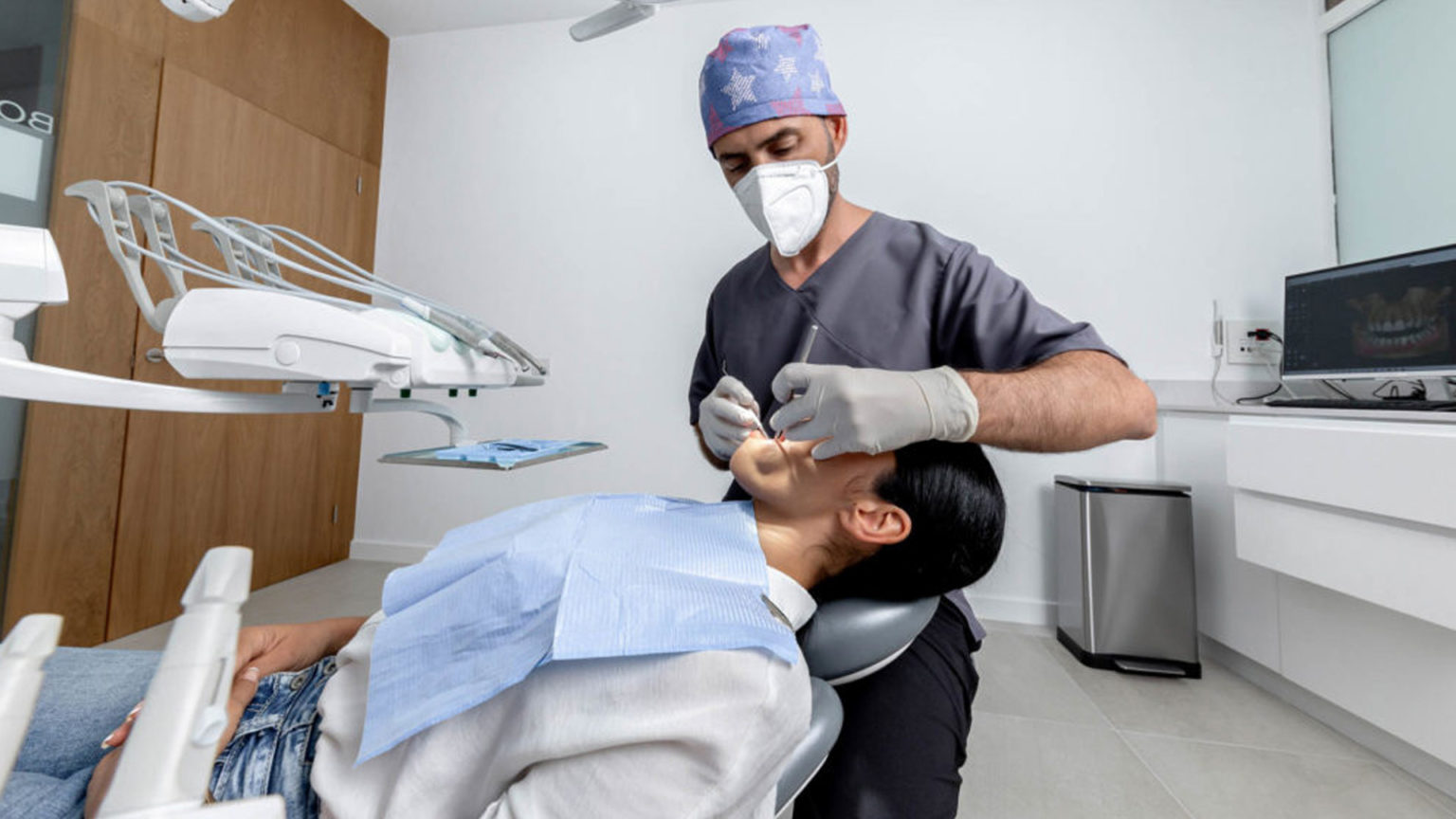
Dental pain has a way of taking over everything. A mild ache can turn into throbbing pressure by dinner. A chipped front tooth can go from cosmetic annoyance to sharp, exposed sensitivity in a matter of hours. Trauma, swelling, bleeding, and infection do not wait for a convenient opening on the calendar. That is why timing matters so much when a patient needs an Emergency Dentist Beverly Hills.
People often underestimate how quickly a dental problem can escalate. They assume they can sleep on it, rinse with salt water, take an over the counter pain reliever, and call the office later in the week. Sometimes that works for a minor irritation. Often, it does not. In practice, the difference between same day care and delayed treatment can mean the difference between saving a tooth and losing it, between a simple filling and a root canal, between a manageable repair and a far more expensive reconstruction.
Beverly Hills patients present with every kind of urgent dental issue, from sports injuries and broken veneers to abscesses, cracked molars, displaced crowns, and intense wisdom tooth pain. The common thread is urgency. Fast action protects oral health, preserves appearance, limits pain, and reduces the chance that a localized problem spreads into something more serious.
Why dental emergencies rarely improve by waiting
The mouth is not a static environment. It is warm, moist, full of bacteria, and under constant pressure from chewing, speaking, clenching, and temperature changes. When a tooth cracks, a filling falls out, or an infection begins, that problem is being stressed all day long. Delay gives the condition time to deepen.
Take a fractured molar as an example. What looks like a small chip in the morning may actually be a structural crack running below the gumline. Every bite places force on that weakened tooth. By the next day, a tooth that might have been stabilized with bonding or a crown can split further and become unrestorable. The same pattern holds with infections. A minor, nagging toothache can reflect inflammation inside the pulp. Once bacteria gain access and pressure builds, pain intensifies, swelling can Emergency Dentist Beverly Hills develop, and the surrounding bone and soft tissue may become involved.
Patients sometimes ask whether pain level is the best measure of seriousness. It is not. Some severe dental issues hurt immediately, while others stay deceptively quiet. An infection may drain and feel briefly better even though it is still active. A dead tooth may stop aching but continue to harbor bacteria. A loose crown may not hurt at all, yet leaving the underlying tooth exposed invites rapid decay and sensitivity.
Acting fast is not about panic. It is about respect for how fast oral conditions can change.
What counts as a true dental emergency
Not every dental concern requires immediate attention, but many more situations qualify as urgent than people realize. Severe tooth pain is the obvious one, especially when it interrupts sleep or does not respond to routine measures. A knocked out tooth is another classic emergency, and every minute matters because the window for successful reimplantation narrows quickly. Bleeding that does not stop, facial swelling, trauma to the mouth, a broken tooth with exposed inner layers, and a lost restoration causing significant pain all deserve prompt evaluation.
There is also a category of problems that may not look dramatic but still need same day or next day care. A cracked tooth when biting, a crown that came off a front tooth before an important event, or sudden tenderness around a dental implant can all worsen if ignored. A good Emergency Dentist Beverly Hills will sort out what must be treated immediately, what can be stabilized temporarily, and what can safely wait for a short scheduled visit.
One practical rule helps. If the problem involves trauma, swelling, uncontrolled bleeding, severe pain, or visible damage to a tooth or restoration, call right away. It is far easier for a dentist to reassure you that something can wait than to reverse damage caused by delay.
The first few hours can determine whether a tooth is saved
Among all dental emergencies, avulsed teeth, teeth that have been completely knocked out, are the clearest example of why speed matters. The living cells on the root surface begin to deteriorate once the tooth is out of the socket. Handle the tooth by the crown, not the root. If it is dirty, gently rinse it with milk or saline, or with clean water for only a few seconds if nothing else is available. In some cases, an adult can place it back in the socket carefully. If not, storing it properly and reaching a dentist immediately gives the best chance of saving it.
The same urgency applies to partially dislodged or loosened teeth after trauma. Even when the tooth remains in the mouth, internal structures may be damaged. Early repositioning and stabilization can improve prognosis. Wait too long, and inflammation, clotting, or infection may complicate the repair.
Soft tissue injuries deserve equal respect. Cuts to the lips, gums, or tongue can bleed heavily because the oral tissues are highly vascular. Some lacerations need suturing, careful cleaning, or coordination with a physician or oral surgeon, Emergency Dentist Beverly Hills particularly when the injury extends beyond the teeth.
There is also the cosmetic side, which matters more than some people admit. A fractured front tooth before a presentation, wedding, media appearance, or travel date is not a trivial problem. Quick treatment can often smooth a rough edge, place a temporary or permanent restoration, and prevent further breakage. In a place like Beverly Hills, where appearance is often part of professional identity, emergency care is not vanity. It is functional, social, and psychological support.
Pain control is only one piece of the puzzle
People usually seek urgent dental care because they hurt. Pain is the messenger, but the underlying cause is what needs attention. Temporary relief without diagnosis can be misleading. Ibuprofen may reduce inflammation. Cold compresses may dull throbbing. Clove oil, dental cement from a pharmacy, or avoiding chewing on one side might help for a few hours. None of these measures remove infected tissue, reseat a crown correctly, repair a crack, or drain an abscess.
A common real life scenario illustrates the risk. Someone develops sudden tooth sensitivity over a weekend. They avoid cold drinks and take pain medication. By Monday the pain seems less intense, so they postpone calling. Two days later, the side of the face is swollen and opening the mouth is difficult. What might have been handled with straightforward endodontic or restorative care now requires more extensive treatment, antibiotics in selected cases, and a longer recovery.
That said, not every emergency ends with a major procedure. In many cases, rapid intervention makes treatment simpler. A dentist may be able to recement a crown, place a sedative dressing, smooth a fracture, adjust a bite that is aggravating a cracked cusp, or prescribe targeted care after examining the source. The sooner that happens, the more options tend to remain on the table.
Infection is the complication dentists worry about most
Few dental emergencies raise more concern than signs of infection. The mouth contains a complex bacterial ecosystem, and when bacteria enter the pulp or deep gum tissues, the infection can spread beyond the tooth. A localized abscess may start with tenderness, pressure, bad taste, or slight swelling near the gum. Left untreated, it can involve the face, jaw, and in rare but serious situations, deeper spaces of the head and neck.
Dentists are careful not to overstate these risks, but they are real. Swelling under the jaw, fever, malaise, difficulty swallowing, and trouble breathing are warning signs that demand immediate attention. In those situations, a patient may need emergency dental treatment, medical evaluation, or both.
The critical point is that antibiotics alone are often not enough. If an infection source remains sealed inside a tooth or trapped in tissue, definitive treatment is usually needed to remove the cause. That may mean root canal therapy, drainage, extraction, or periodontal intervention, depending on the diagnosis. This is where a prompt visit to an Emergency Dentist Beverly Hills becomes especially valuable. Accurate examination, imaging when needed, and clinical judgment prevent guesswork.
When restorative work fails, speed protects the investment
Beverly Hills dentists frequently see emergency visits involving crowns, veneers, bridges, implants, and cosmetic bonding. These are not minor concerns. High quality dental work represents a significant investment of time, money, and planning. When a restoration loosens, fractures, or falls out, acting quickly can protect both the underlying tooth and the restoration itself.
A crown that comes off may still be salvageable if it is intact and the tooth beneath is not decayed or fractured. Leave it off for too long, and the tooth can shift subtly, making recementation more difficult. A veneer that chips may be repairable before the defect spreads. A night guard issue causing pressure on a recently restored tooth may seem small, but a poor bite can trigger cracks, soreness, and repeated failure.
Even temporary restorations deserve attention. Temporary crowns and provisional veneers are designed for short term use, not prolonged function. If one comes loose or breaks, the prepared tooth underneath can become sensitive or vulnerable to movement and contamination.
What to do before you get to the office
Patients often feel helpless in the gap between the incident and the appointment. There are practical steps that can limit damage while you travel to the dentist.
- Control bleeding with clean gauze and steady pressure for about 10 to 15 minutes.
- Use a cold compress on the outside of the face to reduce swelling and discomfort.
- Save broken tooth fragments or a lost crown, and bring them to the appointment.
- Avoid chewing on the affected side, and stay away from very hot, very cold, or sugary foods.
- If a tooth is knocked out, keep it moist in milk or saline and seek immediate care.
These steps buy time. They do not replace treatment. They are most useful when paired with a prompt call to the dental office so the team can prepare for your arrival and advise you based on the specific problem.
The Beverly Hills factor: urgency, expectations, and specialized care
Emergency dentistry in Beverly Hills comes with a distinctive mix of clinical and practical demands. Patients often need rapid relief, but they also want precise cosmetic outcomes. A visible chip in a front tooth may affect public speaking, client meetings, auditions, photography, or other appearance driven commitments. The dentist treating that emergency must think beyond pain control and consider color matching, contour, symmetry, and long term esthetics.
This does not mean style outweighs substance. It means the best emergency care combines both. A dentist must decide whether immediate definitive treatment is possible or whether a staged approach is wiser. For example, after trauma to a front tooth, it may be better to stabilize the tooth first, monitor vitality, and place a refined final restoration after the tissues settle. Good emergency care involves restraint as much as speed.
Patients in Beverly Hills also tend to have more complex existing dental work. Full mouth rehabilitations, porcelain restorations, implant supported crowns, and orthodontic retainers can complicate urgent situations. A broken bite guard after recent veneer placement is not the same as a generic appliance problem. A cracked zirconia crown on a heavily loaded molar requires a different thought process than a natural enamel chip. Experience matters.
How a good emergency visit is handled
The best urgent dental appointments are efficient without feeling rushed. The office should ask focused triage questions before you arrive. Where is the pain? Is there swelling? Was there trauma? Are you bleeding? Can you open and close normally? Have you had fever or difficulty swallowing? This information helps determine whether the patient belongs in the dental chair immediately, needs a specialist, or requires medical level emergency care.
Once in the office, the process usually involves a targeted exam, any necessary radiographs, and a discussion of findings and options. In real practice, emergency visits often have two goals. First, relieve pain and stabilize the problem. Second, create a realistic treatment plan for the next step. Sometimes both happen in one appointment. Sometimes they do not, especially if there is severe infection, limited opening, complex fracture patterns, or the need for specialist care.
A thoughtful dentist also talks honestly about trade offs. Saving a cracked tooth may be possible, but prognosis depends on how deep the fracture runs. Recementing a crown may work for now, but if decay is present, a new restoration may be needed. Draining an abscess may provide immediate relief, yet root canal therapy or extraction may still be necessary. Patients generally handle emergencies better when expectations are clear.
Delays often cost more, not less
Many people postpone urgent care because they are worried about cost. That instinct is understandable, but delay is often more expensive in the long run. A small cavity under a lost filling can become nerve involvement. A recementable crown can turn into a fractured core build up and replacement crown. A treatable infection can become a multi visit procedure with more imaging, medications, and reconstruction.
There is also the hidden cost of downtime. Dental pain affects concentration, eating, sleep, and work performance. People cancel meetings, avoid social situations, chew on one side, and live on soft foods longer than they should. For professionals, performers, parents, and frequent travelers, that disruption adds up quickly.
An experienced Emergency Dentist Beverly Hills understands this broader picture. The goal is not simply to stop pain for the day. It is to preserve function, limit future expense, and get the patient back to normal life with the fewest complications possible.
Cases that fool patients into waiting too long
Certain problems are especially easy to dismiss. A crack that only hurts when releasing a bite can come and go for weeks before becoming catastrophic. Intermittent gum swelling near a tooth may drain and flatten, creating the illusion that it resolved. A child who bumps a tooth and says it feels fine may still have ligament trauma that needs monitoring. A crown that feels slightly high after placement can trigger jaw pain, tooth soreness, and eventual fracture if not adjusted.
Another commonly overlooked issue is facial swelling without major pain. Patients sometimes assume swelling is an allergy or sinus issue when the source is dental. If the swelling is firm, worsening, warm, or associated with a tooth that has been sensitive or previously treated, dental evaluation should happen promptly.
Choosing the right response in the moment
When an emergency strikes, good decision making matters as much as speed. Mild sensitivity after whitening can wait. Sudden severe pain with swelling should not. A tiny chip on the edge of a back tooth might be monitored briefly if there is no pain or sharpness. A larger break with exposed dentin or bleeding needs same day attention. The challenge is that patients are not expected to diagnose these distinctions themselves.
That is why calling an office with true emergency experience is so important. A capable team can listen for red flags, prioritize the schedule, and direct the patient appropriately. Sometimes the correct advice is to come in immediately. Sometimes it is to head to an emergency room first because airway or systemic symptoms are present. Good triage is part of good treatment.
The value of being prepared before anything happens
Dental emergencies feel less overwhelming when patients already know where they would go. Waiting until midnight with a cracked tooth to start searching for an Emergency Dentist Beverly Hills is not ideal. If you live or work in the area, it is worth identifying a practice that handles urgent care, understands complex restorative and cosmetic cases, and has a reputation for responsive communication.
A little preparation also helps at home. Keep your dentist’s number accessible. Store basic gauze, a cold pack, and over the counter pain medication according to your physician’s guidance. If you play sports, use a proper mouthguard. If you grind your teeth, wear the night guard that was made for you. Prevention does not eliminate emergencies, but it reduces the odds of preventable ones.
Fast action preserves more than teeth
Urgent dental care is often described in clinical terms, but the benefits reach further. Prompt treatment protects comfort, sleep, nutrition, appearance, confidence, and schedule. It can spare a patient days of escalating pain and months of more involved treatment. It can also preserve options. Once a tooth fractures beyond repair or an infection spreads, choices narrow quickly.
That is the real importance of acting fast. A skilled emergency dentist does not just respond to a crisis. They interrupt the chain reaction that turns a manageable dental problem into a major one. Whether the issue is a knocked out tooth, an abscess, a failed crown, or a sudden sharp crack in a molar, timing shapes the outcome.
When something feels wrong in your mouth, especially if the pain is severe, swelling is present, or visible damage has occurred, trust the urgency of the situation. The sooner an experienced professional sees it, the better the odds of saving the tooth, controlling the problem, and restoring normal life with far less disruption.
Dental Group of Beverly Hills
8641 Wilshire Blvd #125, Beverly Hills, CA 90211, United States
Phone: +1 (310) 929-6335
FAQ About Emergency Dentist Beverly Hills
What is considered to be a dental emergency?
Severe tooth pain, a knocked-out permanent tooth, a significant tooth fracture, or suspected dental infection needs prompt professional assessment. Contact a dentist to describe the problem and arrange appropriate care. Trouble breathing or swallowing, uncontrolled bleeding, or major facial injury requires immediate emergency medical attention.
How to tell if tooth pain is serious?
Pain that is severe, persistent, or accompanied by fever, facial swelling, or a bad taste should be assessed promptly by a dentist. The cause cannot be confirmed from symptoms alone. If swelling affects breathing or swallowing, call 911 or go to an emergency department.
What do I do if I have a dental emergency and no dentist?
Call a nearby dental practice that accepts urgent patients and explain your symptoms, when they began, and any recent injury. Ask about the earliest available assessment and what information to bring. For life-threatening symptoms, seek emergency medical care immediately instead of waiting for a dental appointment.