The Truth About Root Canal Beverly Hills Pain and Recovery

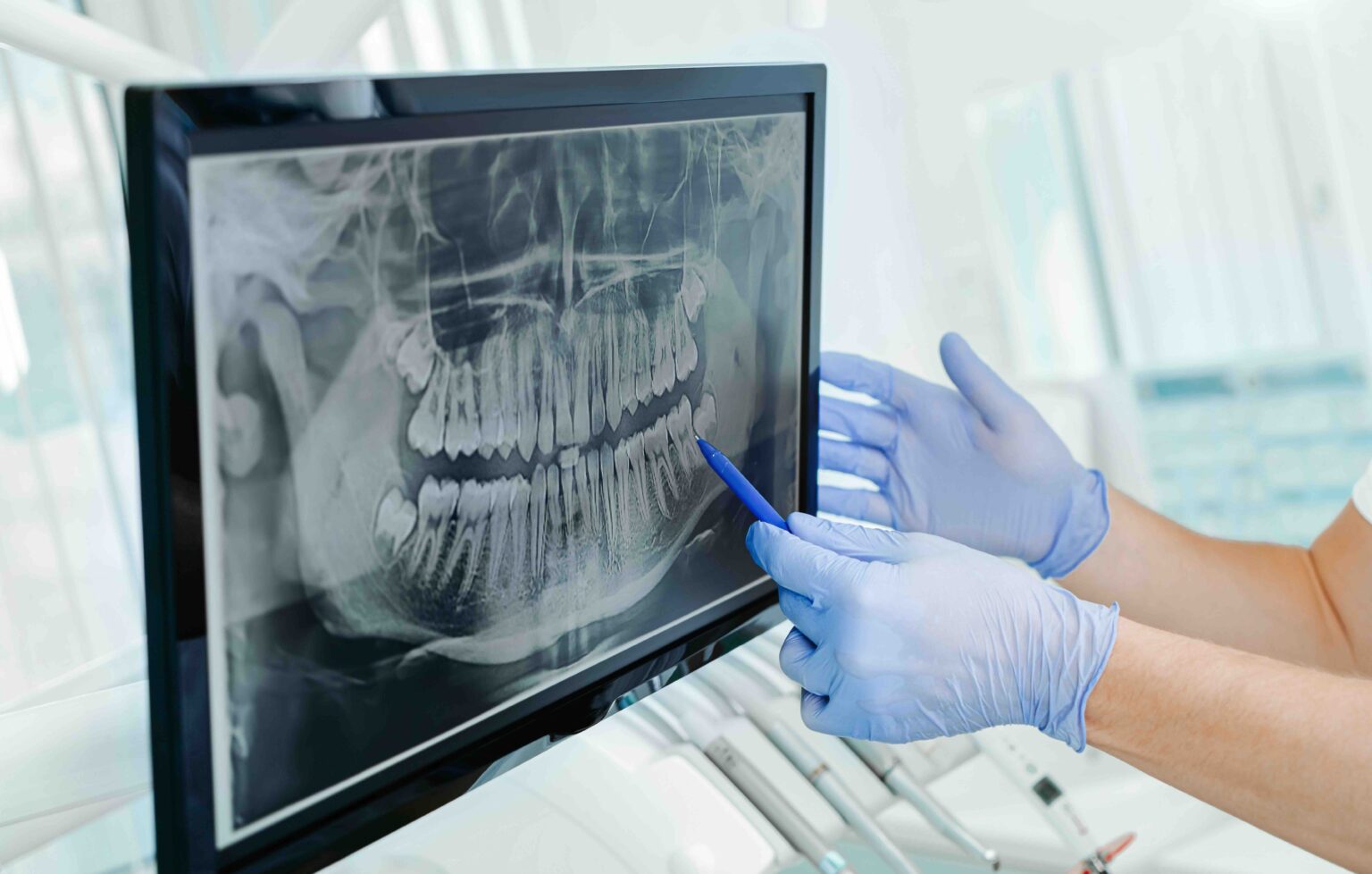

Few dental procedures carry as much baggage as the root canal. Patients often arrive tense, already bracing for a horror story they heard from a cousin, a coworker, or an old sitcom. Yet the reality in a modern dental office is far less dramatic than the reputation suggests. Root Canal Beverly Hills Dental Group Of Beverly Hills Most people are not dealing with unbearable pain during the procedure itself. What they are usually experiencing is fear of the unknown, plus the very real discomfort of an infected or badly inflamed tooth before treatment starts.
When people search for Root Canal Beverly Hills, they are often looking for two things at once. They want a high standard of care, and they want reassurance that they are not signing up for days of agony. Both concerns are fair. A root canal is a precise treatment, not a casual filling, and the details matter. Technique matters. Diagnosis matters. Aftercare matters. So does honesty. Recovery is usually manageable, but it is not identical for everyone, and no responsible clinician should pretend otherwise.
The most useful way to understand root canal pain is to separate three different experiences that patients tend to lump together. There is the pain that brought them in, the sensation during the procedure, and the soreness after treatment. Once those are untangled, the picture gets much clearer.
Why root canals hurt before they help
A root canal treats the inside of a tooth, where the pulp and nerves live. When that tissue becomes inflamed or infected, pressure builds in a small, rigid space with nowhere to expand. That is why the pain can be so sharp, throbbing, or strangely persistent. Some patients describe it as a deep ache that wakes them up at 2 a.m. Others say it only flares when they bite down, drink something cold, or lie flat at night.
The causes are familiar to any practicing dentist. A deep cavity can let bacteria reach the nerve. An old filling can leak. A crack can open a pathway into the pulp. Trauma can damage the nerve even if the tooth looks fairly normal from the outside. In some cases, the tooth has already died, and the pain comes from infection spreading beyond the root into the surrounding bone and ligament.
That last detail surprises many people. A dead nerve does not always mean a painless tooth. In fact, some of the most tender cases involve pressure and inflammation around the root tip. Patients often point to a slightly raised feeling, as if the tooth is hitting first when they bite. That symptom is common and clinically useful.
By the time someone needs a root canal, the tooth has usually been trying to tell the story for a while. Lingering sensitivity to heat is a classic sign. So is spontaneous pain, meaning it hurts without obvious provocation. If swelling develops, or if there is a small pimple-like bump on the gum that comes and goes, the infection may already be draining intermittently.
What the procedure actually feels like
The procedure itself is usually more uneventful than patients expect. That may sound odd given the reputation, but modern local anesthesia is effective, and most of the treatment involves careful cleaning rather than rough or dramatic intervention. The goal is simple: remove infected or irreversibly inflamed tissue, disinfect the internal canals, and seal the space so bacteria cannot recolonize it.
The first key variable is getting the tooth profoundly numb. In straightforward upper teeth, this may happen quickly. Lower molars can be more stubborn because of anatomy, active inflammation, or both. If a tooth is “hot,” meaning the nerve is badly inflamed and hyperreactive, it can be harder to anesthetize. That does not mean the procedure must be painful. It means the dentist may need to use supplemental techniques, allow more time, or stage treatment differently.
That distinction matters. The worst stories patients share are often stories about inadequate anesthesia or rushed treatment on a severely inflamed tooth. In experienced hands, the team recognizes the problem early and adapts. Sometimes that means additional numbing inside the ligament around the tooth. Sometimes it means using another block technique. Sometimes it means opening and medicating the tooth first, then completing the treatment once symptoms settle.
Most patients feel pressure, vibration, and water, not sharp pain. They may hear the handpiece and feel the rubber dam, which is the protective sheet used to isolate the tooth. That setup can feel unfamiliar, but it is standard and beneficial. It keeps the field clean and prevents instruments or irrigants from entering the mouth.
The appointment length varies. A front tooth with a single canal is different from a molar with three or four canals, and anatomy is not always textbook. Curved canals, calcified canals, prior dental work, and hidden cracks all affect treatment time. A simple case may take under an hour. A more complex molar, especially if referred to an endodontist, can take considerably longer.
The myth of “root canal pain”
There is a reason the phrase persists. Historically, dentistry was less comfortable than it is now, and painful infected teeth create powerful memories. But the phrase also survives because people often confuse the treatment with the pain of the disease being treated.
A useful comparison is this: people rarely say a splinter removal is what caused the throbbing finger. The splinter caused it. The removal solved it, even if the finger stayed tender for a day or two. Root canal treatment works the same way. The infected or inflamed nerve is the problem. The procedure addresses the source.
That said, a responsible discussion cannot stop there. Some patients do have difficult experiences, and they deserve a clear explanation of why. Common reasons include severe pre-existing infection, delayed treatment, anatomical complexity, an acute abscess, clenching or grinding after the appointment, or simply chewing on the treated side too soon. None of those mean the procedure “failed,” but they can make the first few recovery days more noticeable.
What recovery usually looks like
For most people, recovery is less about severe pain and more about a bruised, tender feeling when biting. The tissue around the root tip can remain irritated for several days because instruments and disinfecting solutions are working in an area that was already inflamed. If the tooth was painful before treatment, that surrounding ligament often needs time to calm down.
A common pattern is this: the numbness wears off, the area feels sore that evening, the next day is similar or a little better, and by day three the tenderness is clearly fading. A smaller group feels more noticeable soreness for up to a week, especially if the tooth was infected or the treatment was complex. Lingering awareness of the tooth when chewing is not unusual during that period.
Mild to moderate post-treatment discomfort is typically manageable with over-the-counter anti-inflammatory medication if the patient can take it safely. Dentists often recommend a short schedule rather than waiting until the pain spikes. That steady approach tends to work better than trying to chase discomfort after it becomes intense. Patients with ulcers, kidney disease, blood-thinner use, pregnancy, or other medical considerations need personalized guidance, which is one reason post-op instructions should never be generic.
Soft foods help, not because the inside of the tooth is raw, but because the ligament around it can be tender under pressure. Yogurt, soup that is warm rather than very hot, eggs, fish, pasta, oatmeal, and rice are common easy choices for the first day or two. A patient who leaves the office and tests the tooth Root Canal Beverly Hills with a steak that same evening often creates a problem that did not need to happen.
The recovery details that make the biggest difference
The first forty-eight hours set the tone. The body is already processing inflammation. Small choices either support that process or irritate the area further.
Here are the habits that consistently make recovery smoother:
- Take the recommended medication as directed, especially during the first day.
- Avoid chewing on the treated tooth until your dentist says it is ready, especially if only a temporary filling is in place.
- Keep the area clean with normal brushing and gentle flossing unless you were told otherwise.
- Eat softer foods and avoid very hard, sticky, or crunchy items for several days.
- Call promptly if swelling increases, pain worsens after several days, or your bite feels noticeably high.
That last point deserves more attention than it usually gets. A tooth that hits first when you close can remain sore even if the root canal itself was done beautifully. A tiny bite adjustment can make an outsized difference. Patients sometimes assume something deeper is wrong when the real issue is simple mechanical overload.
Temporary filling versus final restoration
One of the least understood parts of root canal treatment is that finishing the canal work is not the same as fully restoring the tooth. The nerve space may be cleaned and sealed, but the chewing surface still needs reliable protection. For many back teeth, that usually means a crown. Front teeth vary more, depending on structure, bite, and cosmetic goals.
This is where some recoveries go sideways. A patient feels better after the root canal and decides the urgent part is over. Then the temporary filling stays in place for weeks longer than advised, or the crown appointment keeps getting postponed. The tooth, now structurally weaker because of prior decay and access preparation, is vulnerable to fracture or leakage.
In a city where appearance matters and schedules run tight, this can be tempting to delay. But if you are pursuing Root Canal Beverly Hills care because you want quality and predictability, the final restoration is part of that quality. It is not an optional extra. It is what protects the investment in the treatment.
A practical example: a lower molar that had a large old filling, deep decay, and a root canal may feel fine with a temporary for a short period. Functionally, though, that tooth has lost substantial internal support. It may crack under normal chewing if left unprotected too long. Once a vertical root fracture happens, saving the tooth often becomes impossible.
When post-treatment pain is not normal
Most soreness fades. Pain that escalates instead of improving deserves attention. Dentists look for several possibilities, some simple and some more significant.
These are common reasons a patient should check back in:
- Swelling that is increasing rather than shrinking
- Severe pain that is not improving after several days
- A bite that feels uneven or too high
- A temporary filling or crown that broke or came off
- Fever, foul taste, or drainage from the gum
A high bite is a straightforward fix. Persistent infection may need drainage, medication, or reevaluation of the canals. Occasionally, the source turns out not to be the treated tooth at all. Referred pain, cracks below the gumline, sinus issues in upper molars, or adjacent teeth can cloud the picture. Good diagnosis remains as important after treatment as before it.
It is also worth noting that antibiotics are not a cure for a diseased pulp. They may help control spreading infection in certain situations, especially when swelling is present, but they do not sterilize the inside of a dead or dying tooth. The mechanical cleaning and sealing of the canal system is what treats the source.
Why some teeth recover faster than others
Not all root canals are equal. A calm tooth with irreversible pulpitis and no swelling may feel dramatically better within a day. A lower molar with a longstanding abscess and tenderness to biting can take longer. So can teeth in heavy grinders, patients under high stress, or anyone whose bite places strong force on one side.
Age can change the anatomy too. Older teeth often have narrower, more calcified canals. That can make treatment more technically demanding, though not necessarily more painful to recover from. Pre-existing damage matters more than age alone. A heavily restored tooth that has been absorbing years of force may carry more ligament irritation than a cleaner, simpler case.
Then there is the issue of cracks. Tiny fractures do not always show up clearly on x-rays. Sometimes a tooth presents like a routine endodontic problem, improves only partly, and later reveals that a crack extends deeper than hoped. This is one reason careful dentists avoid making promises that sound too absolute. Experience teaches humility. Dentistry is precise, but biology still has the final say.
Sedation, anxiety, and the Beverly Hills factor
Patients asking about Root Canal Beverly Hills often care not only about the procedure itself, but the overall experience. Beverly Hills practices tend to see many busy professionals, public-facing clients, and people with high expectations for comfort, discretion, and efficiency. That environment can be a real advantage when it translates into better imaging, stronger communication, and calmer appointment flow.
Anxiety changes pain perception. A patient who had a traumatic dental experience years ago may walk in with elevated blood pressure, shallow breathing, and muscles already tense. Even a routine injection can feel harder in that state. Sedation options, where appropriate and safely delivered, can make a substantial difference. Some patients do well with nitrous oxide. Others simply benefit from a clinician who explains what they are feeling in real time and does not rush.
The best offices understand that emotional comfort is part of pain control. Not in a vague spa-like sense, but in a practical clinical sense. When a patient knows the plan, trusts the operator, and feels heard the moment something feels sharp or strange, the appointment tends to go better.
What people get wrong about recovery time
A common misconception is that if a root canal was done properly, the tooth should feel completely normal the next morning. That happens sometimes, but it is not the standard every case can meet. A root canal is not like turning off a switch. It is more like removing the source of a fire and then waiting for the smoke to clear.
Another misconception is that pain after a root canal means the treatment failed. Often it means tissues are inflamed and healing. The timing matters. Mild soreness that trends downward is one thing. Worsening throbbing with swelling on day four is another.
Patients also underestimate the role of the final crown in long-term comfort. A tooth that flexes because it lacks full coverage can stay annoying under bite pressure even after endodontic treatment. Once stabilized with a well-fitting restoration, it often settles.
The practical timeline most patients can expect
On the day of treatment, numbness usually lasts a few hours. Once it fades, the tooth may feel sore, especially if it was tender before. The first night is often the period when people notice the most discomfort, largely because they are paying close attention and the anesthesia is gone.
By the second day, many patients are functional, working, driving, and eating carefully. They may still avoid chewing on that side. By day three to five, the majority feel clearly improved. If a crown preparation or placement is part of the sequence, there may be a second, milder round of temporary soreness from that separate procedure.
A small percentage of cases need follow-up because biology does not read the textbook. That is not a reason to fear treatment. It is a reason to choose a clinician who evaluates carefully, communicates honestly, and responds quickly if recovery is not following the expected track.
Choosing care with realistic expectations
A good root canal experience is rarely about theatrics. It is about disciplined fundamentals: accurate diagnosis, reliable anesthesia, careful cleaning, proper sealing, and timely restoration. Patients often focus on the procedure itself, but the full arc matters more than the single appointment.
If you are considering Root Canal Beverly Hills treatment, ask practical questions. Is the diagnosis clear? Is the tooth restorable? Will a crown be needed? What is the expected recovery based on this specific tooth, not an average tooth? What symptoms would count as routine, and what would require a call?
Those conversations are more useful than broad reassurance or dramatic warnings. Most root canals are manageable, often easier than patients feared, and strongly worth doing when the alternative is persistent infection, escalating pain, or losing a tooth that could have been saved.
The truth is not that root canals are painless for everyone, nor that they are the nightmare pop culture made them out to be. The truth sits where medicine usually sits, in the middle. The procedure is designed to stop tooth pain, not create it. Recovery is usually straightforward, occasionally bumpy, and heavily influenced by the condition of the tooth before treatment, the quality of the care, and the choices made afterward. When patients understand that, they tend to walk in calmer and walk out relieved.
Dental Group of Beverly Hills
8641 Wilshire Blvd, Suite 125
Beverly Hills, CA 90211
(310) 361-2835
FAQ About Root Canal Beverly Hills
What are the signs you need a root canal?
Persistent pain, lingering temperature sensitivity, or swelling can have several causes. A dentist can examine the tooth and decide whether root canal treatment is appropriate.
How much does a root canal usually cost in Beverly Hills CA?
Cost varies by tooth, complexity, insurance, and whether a permanent restoration is needed. Request an itemized estimate.
How long do root canals last?
A treated tooth can last many years with a suitable restoration and regular dental care. Its outlook depends on tooth condition, the seal, and follow-up care.